MARSH LANE NATURE RESERVE

Marsh Lane Nature Reserve, located at Berkswell between Solihull and Coventry, sits within the floodplain of the River Blythe, a designated Site of Special Scientific Interest (SSSI).

Marsh Lane Nature Reserve, located at Berkswell between Solihull and Coventry, sits within the floodplain of the River Blythe, a designated Site of Special Scientific Interest (SSSI).

MARSH LANE NATURE RESERVE

The site was formerly quarried by RMC Aggregates Western (now part of CEMEX), with sand and gravel extraction taking place over 75 acres between 1995 and 1999.

Following the end of quarrying, the land was carefully restored in partnership between RMC Aggregates and Packington Estate. The Reserve now features: 

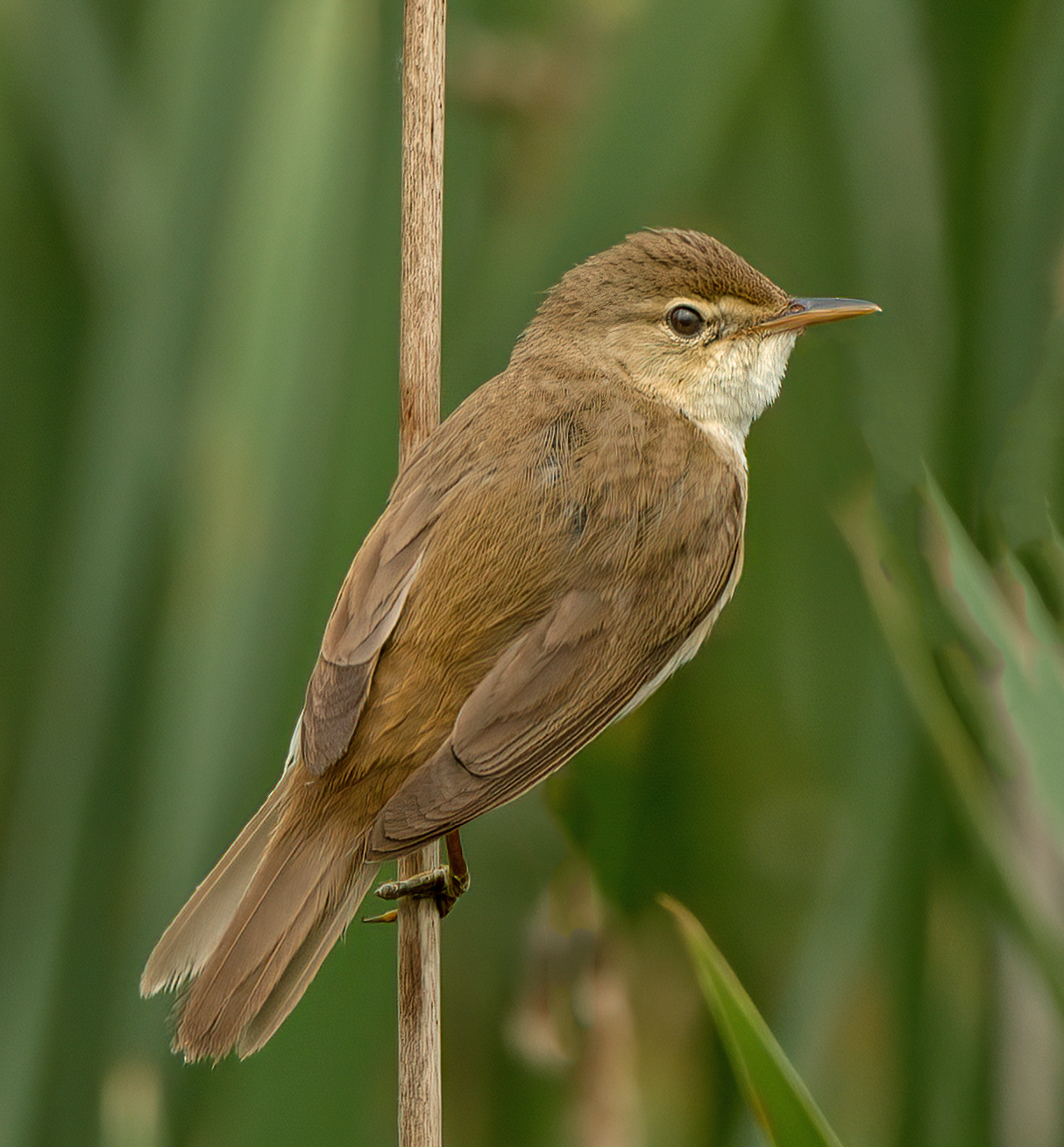
  • Three main pools, including a reedbed
  • Woodland, grassland, ponds, and retained agricultural land

Two of the pools have been shaped with islands to attract breeding and migratory waders and have proven very successful in doing so. 

Eight bird hides provide excellent views of the pools and islands, all linked by hard-surfaced paths. A car park is available within the Reserve’s locked gates. 

Accessibility: 

  • Paths are made from compacted planings, reasonably firm but unbound
  • Wheelchair users may need assistance 
  • Seats inside hides can be moved to allow wheelchair access to the viewing slots

The Reserve connects via a network of public footpaths to local countryside, including Bradnocks Marsh. 

MEMBERSHIP ENQUIRIES

To become a member or apply for access, please refer to the information on the Packington Estate website or get in touch at: thereserve@packingtonestate.co.uk

WET GRASSLANDS

In May 2010, with support from Natural England, a 16-acre area of former arable land was transformed into wet grassland, with scrapes and small seasonal pools, ideal for breeding and feeding waders. 

  • Two additional hides overlook this field, connected by paths through the 13-acre Siden Hill Wood
  • Car parks are located at either end of the walk
  • The area lies west of the River Blythe and can be reached on foot from the main Reserve
  • In 2022, Tame Valley Wetlands deepened the scrapes to further enhance habitat value 

FEEDING STATIONS

There are two established feeding stations which attract a variety of species including the Nuthatch and Great Spotted Woodpecker. Bramblings have visited regularly over previous winters.

A 5-acre field has been set aside to provide food and cover for finches and buntings in winter and has attracted flocks of over 100 Yellowhammers and 60 Reed Buntings and up to 300 Linnets, though numbers vary seasonally, and some species have declined in line with wider farmland bird trends.

BIRDS

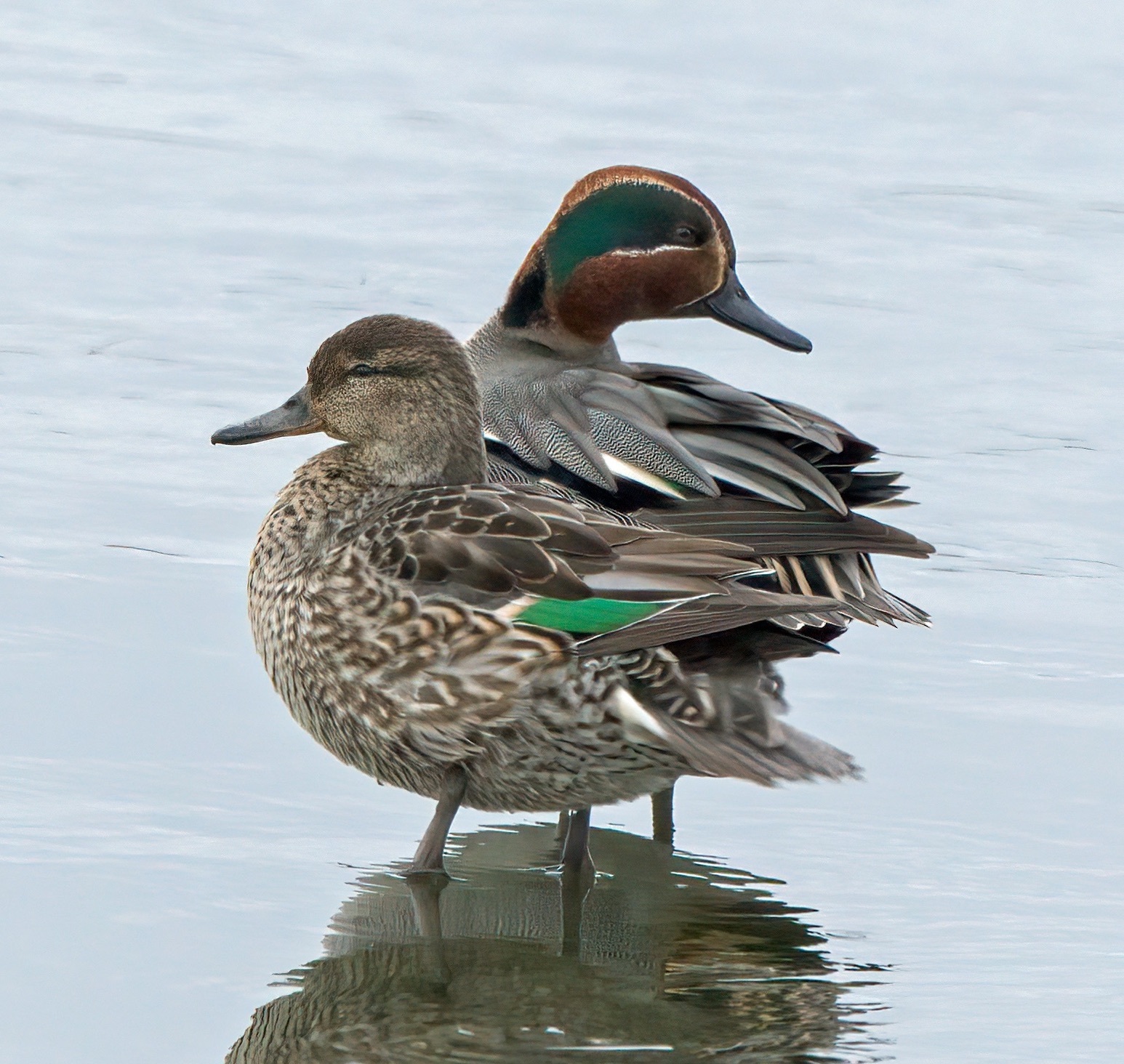
As of May 2024, a remarkable 214 bird species have been recorded at Marsh Lane.

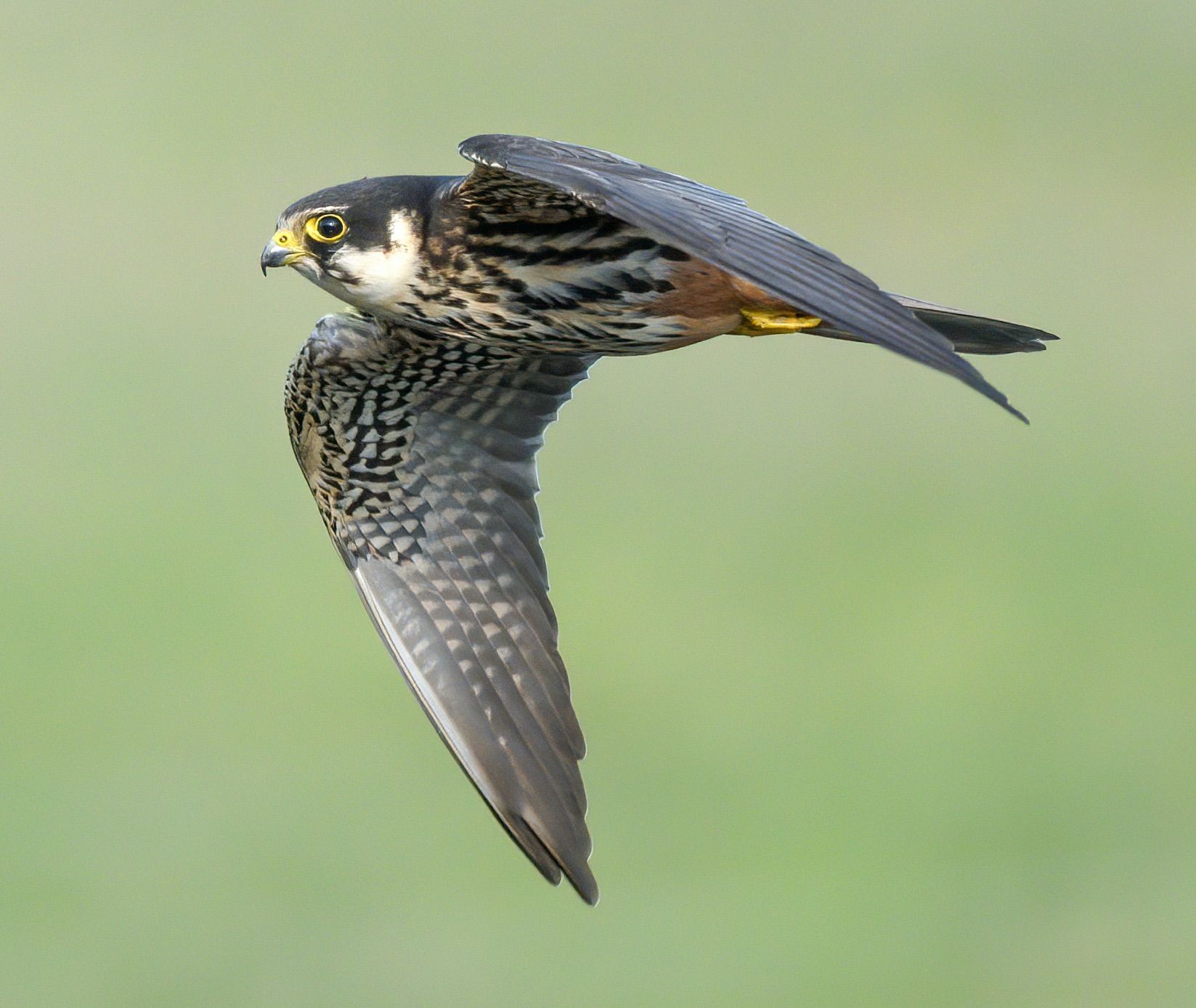
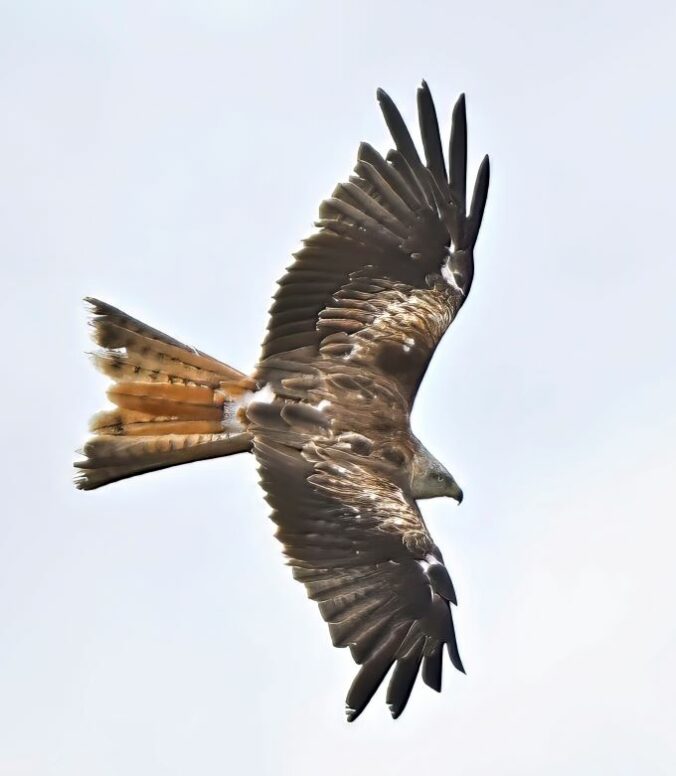
Birds of particular note at this time include Bonaparte’s Gull, Hoopoe, Spotted Sandpiper, Grey Phalarope, Black Kite, Rough-legged Buzzard, Spoonbill, Stone Curlew, Lesser Yellowlegs, Roseate Tern, Red-backed Shrike, Dusky Warbler and the Bee-eater. Little Egrets occur regularly, and Osprey is recorded in most years. Buzzards are daily visitors, and Hobby is regular in the late summer and early autumn, Marsh Harriers are seen most years and Hen Harriers less regularly.


JOIN US ON OUR JOURNEY

STAY UP TO DATE

Slide 1
Packington Estate ESG Policy 2025

Developing and maintaining an ESG (Environmental, Social, and Governance) strategy for a country estate involves considering various unique contexts, including historical aspects as well as the cultural significance of such properties, and their custodianship; past, present, and future, to preserve these locations for future generations to come, across all the three aspects of such an initiative.

Packington Estate has four overarching pillars that drive the spirit and principles of the Estate and provide the building blocks for all the Estate’s businesses, operations and projects. These four pillars are Stewardship, Sustainability, Wellbeing and Restoration.

The Estate is in a transitional phase moving away from more traditional, methodologies of Estate management to a progressive strategy, in line with current business practises and procedures. Much of the Estate is undergoing such an evolution to more sustainable operations. This covers every venture and project, from Estate stewardship all the way through to the Board Room.

Packington’s ESG policy is bolstered by its actionable and tangible achievements, framed and guided by the United Nations Sustainable Development Goals (the SDGs or Global Goals). We all know that big global challenges need bold action, from every corner. This initiative was unanimously voted into being by all of the 197 member Nations of the United Nations, and this was formalised with an Act named Resolution Agenda 30, to build a greener, fairer, better world by 2030 and everyone has a role to play in helping achieve these Global Goals. Packington Estate is utilising the SDGs across the Estate as a guideline to set out its pathway for all future prospects and developing over time, an equitable, sustainable, biodiverse, conscientious, and healthy future.

previous arrow
next arrow
Packington Estate & the United Nations Sustainable Development Goals

Packington Estate has four overarching pillars that drive the ethos and spirit of the Estate and provide the building blocks for our operations. These are Restoration, Stewardship, Sustainability, and Wellness. The Estate is in a transition phase moving away from conventional and out-dated practises, to more positive, forward thinking and environmentally-aware processes. Much of the Estate land and property is now undergoing an evolution towards more sustainable methods, not just in farming, but also across the board, all the way through to its corporate governance.

As part of this transition process, the Estate is a supporter and advocate of the United Nations Sustainable Development Goals. We all know that we face big challenges in today’s world: poverty, hunger, inequality and climate change are just some of the issues we need to address urgently.

Big challenges need bold action to overcome them, and that is where the Sustainable Development Goals come in, otherwise known as the “Global Goals”. These Goals are a plan agreed to by all 197 Member Nations of the UN and set in motion by Resolution Agenda 30, to build a greener, fairer, better world by 2030, and everyone has a role in helping to achieve them.

Packington Estate has taken on board a number of these Goals, and aspires to promote the Goals, generate awareness for the Goals, and encourage others to be inspired to take on the Goals in their own capacity.

To read and discover more about the Global Goals, and ways in which anyone can participate, click HERE.

previous arrow
next arrow