
Link to West Midland Bird Ringing Group: https://www.westmidlandsringinggroup.co.uk/
Updates
December records updated from the 27th to 31st.
31st January 2022
The strong wind did not help viewing conditions but there was still an impressive 108 Gadwall today. A pair of Goosander and a pair of Shelduck were the only other birds making the log.
30th January 2022
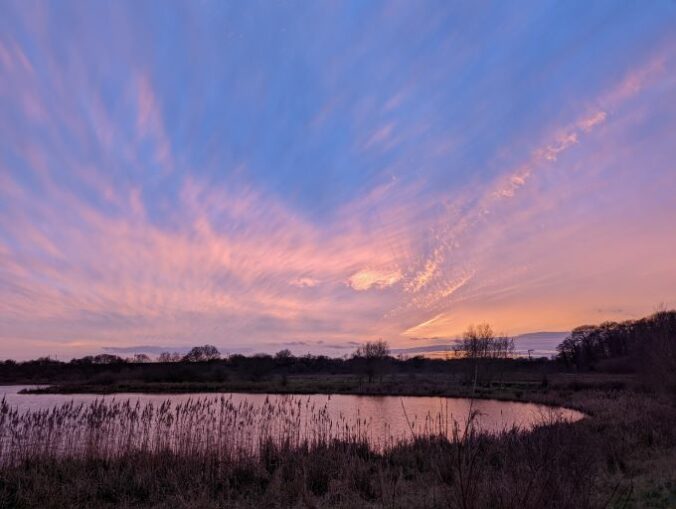
Sunny morning, some cloud in the afternoon, a fine sunset south westerly.
Under a fine sunset, there were 26 Goosanders at dusk. Two females were present at 4pm but by 5:30 in the half light, birds were still arriving. A Water Rail called from the north Causeway Bay at dusk and on Car Park Pool, wildfowl included, six Mute Swans, 32 Tufted and a drake Pochard. 16 Lapwing were roosting, a male Kestrel came in from the north and stayed briefly in the crop oaks before flying towards the Railway arches to roost. A Great Spotted Woodpecker was also in the crop oaks and approximately 40 Starlings came into roost.
Four Little Egrets and five Snipe were the other birds making the log.
Sunset over Railway Pool – Photograph by Nick Barlow
29th January 2022
Sunny intervals, strong north westerly.
The less usual birds today were three Stonechats (a pair just to the east of the Old Road by the HS2 brash pile and a female north of Patrick Farm), a Kingfisher on the river at Patrick Bridge, and three Lesser Redpolls on the central streamline.
The usual wildfowl counts showed a reasonable number of Wigeon but a decreasing number of Teal, a feature which we have noticed over previous years where numbers towards the end of January and into the beginning of February start to fall away.
Totals were as follows, three Mute Swans, 179 Greylags, a greylag Canada Hybrid, 139 Canadas, 30 Shoveler, 67 Gadwall, 293 Wigeon, 21 Mallard, 140 Teal, two drake Pochard, 18 Tufted, 25 Cormorants, six Herons, three Little Egrets, one Little Grebe, five Moorhen, 44 Coot, a Water Rail in the north Causeway Bay, 11 Lapwing, three Snipe, 160 Black-headed Gulls, 15 Common Gulls, 30 Herring Gulls, 15 Lesser Black-back Gulls and the adult Greater Black-back Gull.
28th January 2022
Overcast but with sunny intervals, north westerly.
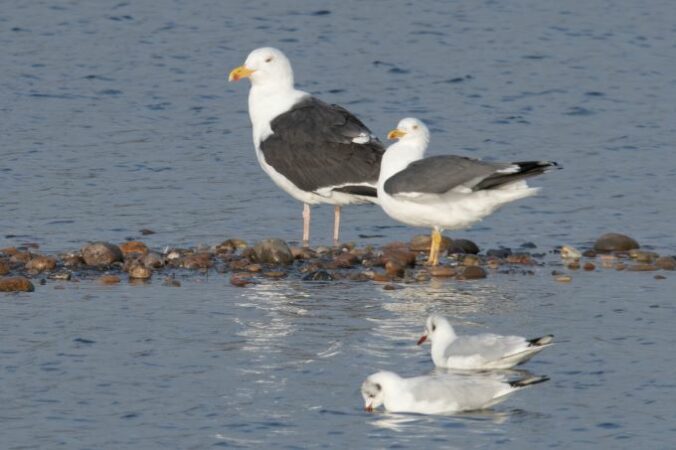
The morning Gull watch yielded 30 Lesser Black-back Gulls, 20 Common Gulls and six Herring Gulls together with the regular adult Greater Black-back and a first winter.
There was still a female Goosander on site after most roosting birds had departed, together with a Shelduck, two male Pochard and two Little Egrets.
Afternoon counts yielded, a single Little Grebe, 40 Cormorants, 73 Shoveler, 280 Wigeon, 29 Gadwall, 81 Teal, 18 Tufted, 85 Greylag, 42 Coot and four Lapwing, four Stock Dove, 200 Black-headed Gulls, 40 Lesser Redpolls in the alders along the stream along with three Goldfinches and three Chaffinches, 60 Redwing and 40 Fieldfare on the floodplain north of Car Park Pool and Jay, Kestrel, Grey Wagtail, Great Spotted Woodpecker as well.
27th January 2022
Drizzly start, brightening later, sunny but with a brisk north westerly.
There was a steady passage of Gulls today with many dropping in to preen and wash. Mid morning there were 102 Lesser Black-backed Gulls, six Herring Gulls, 28 Common Gulls and the adult Greater Black-backed Gull, and joining them was a fine adult Yellow-legged Gull which sadly did not remain on site very long.
At 2pm, the respective numbers were 71 Lesser Black-backed Gulls, of which only two were juveniles, two Herring Gulls, 15 Common Gulls and still the adult Greater Black-backed Gull.
In the Back Gate Copse, there were 12 Siskins and 20 Lesser Redpolls and at 2pm, although the numbers had dropped, there were still a few remaining, including one Siskin in song.
Four Snipe were visible in the Marsh and on Car Park Pool, there were two Goosanders and a male Shelduck.
26th January 2022
Sun at last.
It was a pleasure to be out this morning after a series of drab days. There also seemed to be a few more birds on the move, with for example, more Gulls than for some days. At 10:30, there were 31 Lesser Black-backed Gulls and 19 Common Gulls split between the two pools, together with five Herring Gulls on Car Park and 40 Black-headed Gulls on Railway Pool.
Just after 10am, a flock of 37 Redpolls flew over the Car Park and they were later seen along the streamline by Oak Hide with two Siskins and some Goldfinches. Eight Greenfinches were together at the Car Park feeder and 13 Reed Buntings were split between there and the Crop Field with others around the Reserve bringing the total to at least 20. There were also two Yellowhammers in the Crop Field.
The Cetti’s Warbler sang occasionally from the north Causeway Bay, there were four Snipe in the Marsh and four Rooks flew over south-west at 10:45.
25th January 2022
Overcast.
No records.
24th January 2022
Overcast.
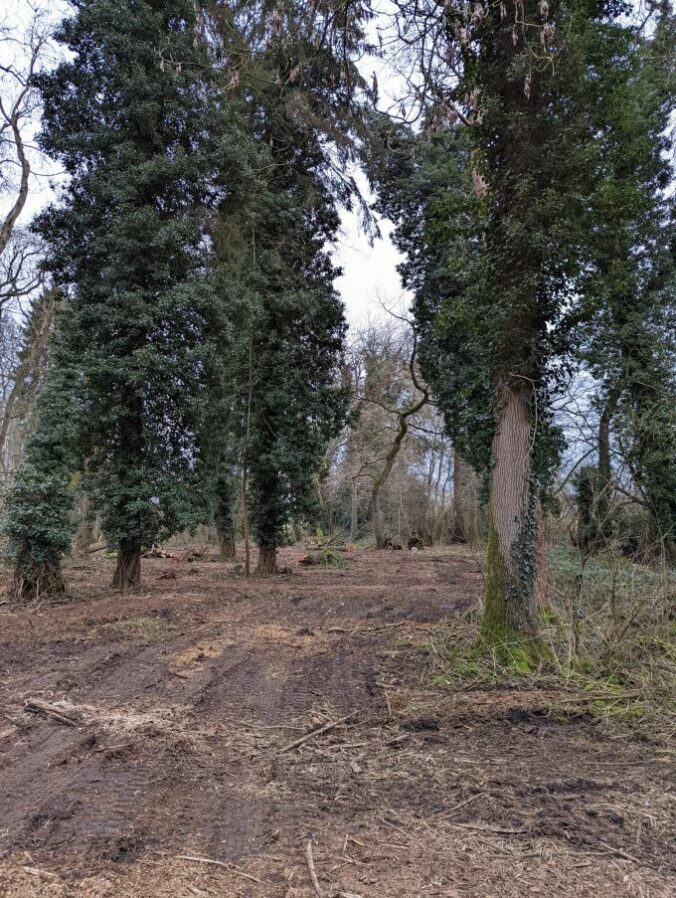
There is not a great deal of change today with the drake Pochard still on Car Park Pool amongst a varying number of dabbling ducks depending on how many have moved down the floodplain to feed. There were also two Little Egrets and a drake Shelduck there but no great numbers of Gulls. Four Snipe were visible in the Marsh, a Sparrowhawk flew over Siden Hill Wood, there were three Lesser Redpolls along the Old Road and a pair of Bullfinches and a singing Cetti’s Warbler in the Causeway area.
Siden Hill Wood Clearance – Photograph by Nick Barlow
23rd January 2022
On a quiet and drab day, the best on offer was probably a flock of ten Lesser Redpolls, along with three Siskins, in the Back Gate Copse. A Treecreeper joined a small Tit flock on the Central Streamline and 50 Redwings and ten Fieldfares fed north of Car Park Pool on the floodplain. 20 Meadow Pipits and a Skylark were in the rough ground on the site of the former Aero Modellers and a female Yellowhammer visited the Crop Field.
On the Pools, there were 26 Shoveler, 45 Wigeon, a drake Pochard and at 4:35, 12 Goosanders (eight females).
45 Rooks flew over east at around 4pm.
Other birds making the log were as follows, three Common Gulls on Car Park Pool, a Snipe and a Water Rail in the Marsh, five Bullfinches by Railway Hide, both Green and Great Spotted Woodpecker in the Car Park Central stream area and a Sparrowhawk and Buzzard.
22nd January 2022
Light cloud and light north westerly
Three Peregrines were seen today, two adults together and separately, a juvenile were present and there were also three Little Egrets, two on the floodplain and one on Railway Pool. A flock of ten Siskins fed in the alders by the Back Gate and there was four Skylarks on the Aero Modellers field. 25 Redwing and 20 Fieldfare were feeding in the Tip Field, there was an un-ringed female Stonechat north of Patricks Farm along with 11 Meadow Pipits and a single Jack Snipe showed in the Marsh.
The wildfowl counts today from Graham and Dave were as follows: three Mute Swan, 106 Greylag, 262 Canadas, 52 Gadwall, 17 Shoveler, 204 Wigeon, 25 Mallard, 207 Teal, drake Pochard, nine Tufted, two female Goosanders in the morning and 19 in the evening, two Water Rails (north Causeway Bay and the Marsh), two Moorhens, 33 Coots, a single Snipe, 46 Black-headed Gulls, two Common Gulls, five Herring Gulls, the adult Greater Black-backed Gull, three Lesser Black-backed Gulls, 20 Cormorants, four Herons and two Little Grebes.
21st January 2022
Overcast with occasional sunny intervals after frost.
28 Goosanders were present at dawn and a Mink was seen briefly from the North Causeway screen. The adult Greater Black-backed Gull roosted on Car Park Pool and a flock of 20 Siskins were present in the alders on the central stream crossing. 15 Goldfinches, a female Great Spotted Woodpecker and a Jay were present along the Concrete Road and just two Snipe were visible in the Marsh.
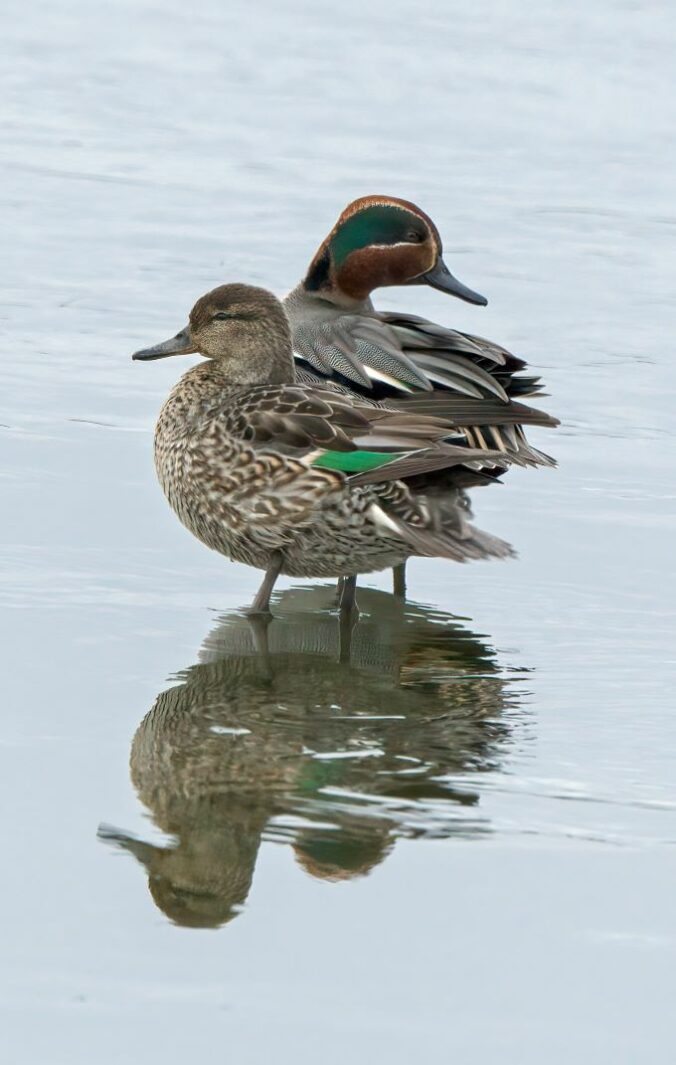
Teal – Photograph by Steve Taylor
20th January 2022
Frosty start, sunny intervals
No records
19th January 2022
Grey overcast with light south westerly wind.
Last night’s 27 Goosanders were still present at dawn but had departed before 8 o clock. There were also two Shelduck on Car Park Pool, two Jack Snipe visible in the Marsh, two Little Grebes on Railway Pool and calling Cetti’s Warblers from the North Causeway Bay and at the north end of the Old Road. Both Peregrine and Buzzard, were seen in the morning and 30 mixed Redwing and Fieldfare were feeding on the field north of Car Park Pool.
Lesser Black-back Gull & Greater Black-back Gull – Photograph by Chris Fent
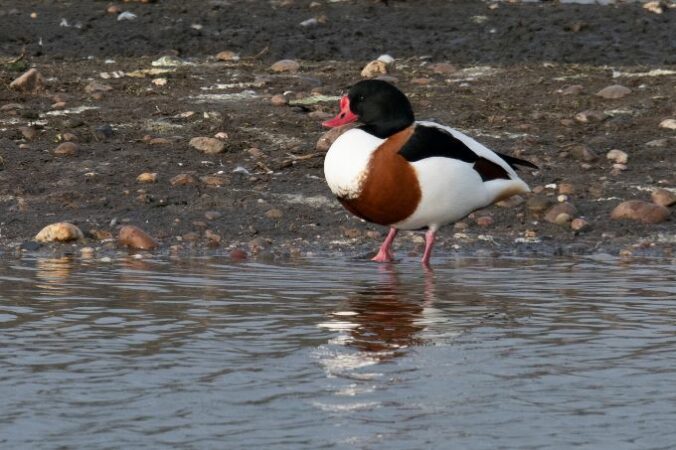
Shelduck – Photograph by Chris Fent
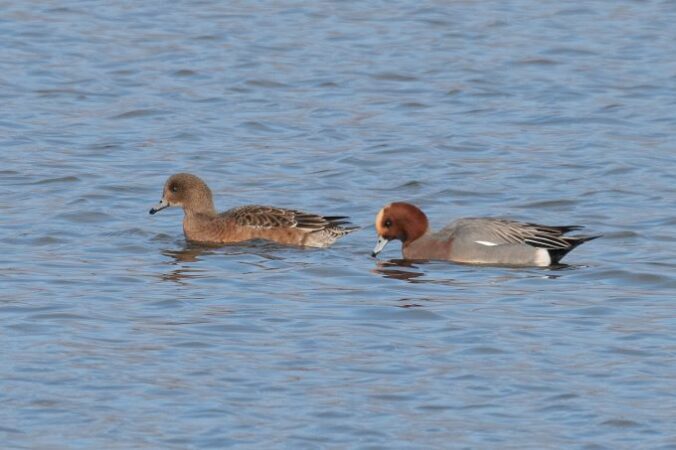
Wigeon – Photograph by Chris Fent
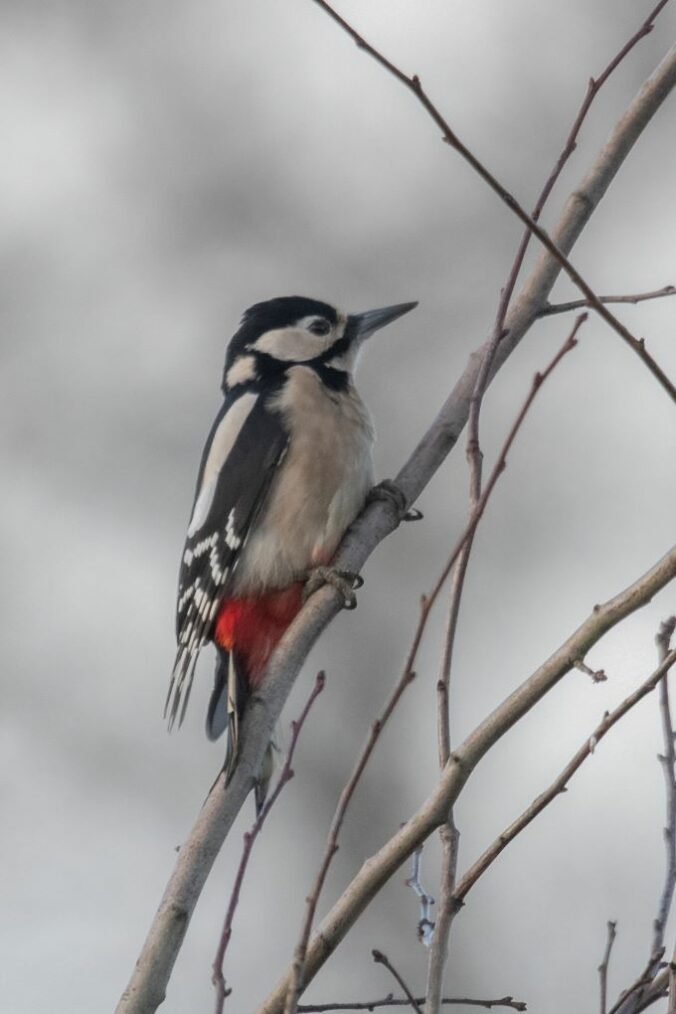
Greater Spotted Woodpecker – Photograph by Chris Fent
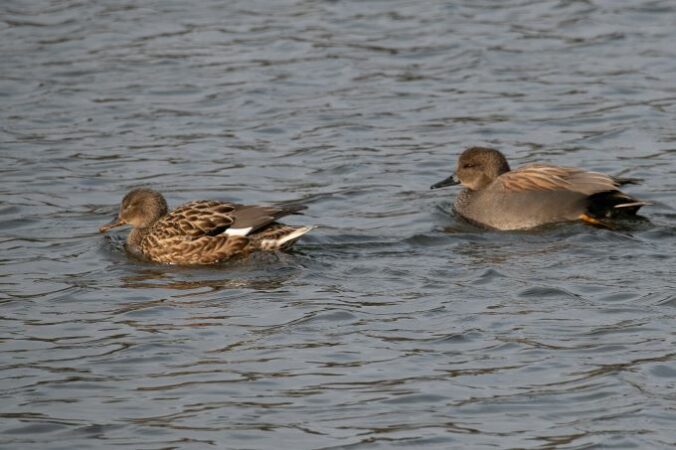
Gadwall – Photograph by Chris Fent
18th January 2022
Cold, frosty start. Sunny.
The pools were largely frozen over as a result of which, wildfowl counts were down with, 124 Teal, 184 Wigeon, 47 Coot, 23 Shoveler, 13 Cormorants, 80 Canadas, 35 Gadwall, just two Lapwing, the adult Greater Black-backed Gull, three Lesser Black-backs, three Herring Gulls and just 13 Black-headed Gulls. Treecreeper and Redpoll were between Oak Hide and southwest pond.
At dusk, the Goosander numbers slowly increased with a total, when it was almost dark, reaching 27 of which 14 were females. Birds were displaying regularly and calling to each other. The calls are quiet and subtle, trills and easily overlooked amongst the regular calling of the Wigeon and Teal. I can remember hearing these calls before. 165 Canadas were feeding on the grass by Car Park Hide at dusk and a Kestrel came into roost on the Railway Arches.
17th January 2022
Sunny and still
A single Jack Snipe was on view in the marsh this morning and a Water Rail was also seen. Three Lesser Redpolls were feeding in the alders by the South-West pond and other bits and pieces included a pair of Goosanders, a single Little Egret, the adult Greater Black-backed Gull, Sparrowhawk and Cetti’s Warbler. There were Bullfinches again in the Geulder Rose Berries behind Railway Hide and a small flock of about 35 – 40 Starlings roosted in the Reedbed.
16th January 2022
Mixture of overcast and sunny period, relatively still and mild.
There was no sign of the Jack Snipe in the Marsh this morning but I suspect it was still there. There were three Common Snipe on view and Water Rails were heard there and on the west side of Railway Pool.
The adult Greater Black-backed Gull came into roost again on Car Park Pool in the late morning and there were a pair of Goosanders present there along with 20 Shoveler.
The adult Peregrine put in a brief appearance over Railway Pool and two Roe Deer, probably displaced from Siden Hill Wood by the work there, were seen on the west side of the pool. Four Bullfinches were feeding in the Geulder Rose Berries behind Railway Hide again and a male Sparrowhawk perched briefly in front of Railway Hide in the late morning.
At dusk, a flock of 300- 400 mixed Corvids were perched on the floodplain at 4:50pm, not in the trees as usual. Small groups of Redwing were roosting by the Railway Car Park and in the Blackthorn by the Pumping Station Car Park.
15th January 2022
Foggy or misty all day.
Two Jack Snipe were again on view for part of the morning, visible in the marsh to the right hand side of Oak Hide. There was a single Common Snipe and also a Water Rail there.
A pair of Stonechats were active in the rough ground north of Patrick Farm and 25 Meadow Pipits were feeding in the similarly rough ground east of the A452.
A pair of Ravens were vocal all morning in Siden Hill Wood where some vegetation and dead tree clearance is underway in preparation for some replanting.
Other counts today comprised, five Mute Swans, 47 Gadwall, 295 Wigeon, 18 Shoveler, 15 Mallard, 214 Teal, three Tufted, four pairs of Goosanders, seven Cormorants, a Heron, two Little Grebes, seven Moorhen, 50 Coot, 20 Black-headed Gulls, three Common Gulls, three Lesser Black-back Gulls, six Herring Gulls, a vocal Cetti’s Warbler in the Causeway area, a pair of Bullfinches behind Railway Hide and a Nuthatch, Coal Tit and six Redwings in Siden Hill Wood.
At dusk, a small party of 40 – 50 Starlings came into roost.
Eight attended the afternoon work party. Two donned waders and continued the clearance of the reedmace in the north Causeway Bay. The others cut back or removed alder and willow regrowth on the east side of the bay. Thanks to all who attended.
Further hedge laying along the Old Road north of the car park will be carrying on over the next few days but should be finished by the end of next week. During the work in Siden Hill Wood, two Roe Deer and at least three Muntjac Deer were seen.
14th January 2022
Sunny after frosty and misty start.
Most of the pools were frozen over this morning with just a few wildfowl were keeping patches of water open around the islands. 170 Canada geese roosted on Railway Pool before departing at dawn and on car park pool, amongst a lower number of Wigeon and Teal, nine Goosanders were still present at 07.45 but departed soon after.
The adult Peregrine was roosting in Siden Hill wood at dawn and at least nine Rooks went over the west at first light, presumably from the Meriden rookery.
13th January 2022
Sunny
Seven Common Snipe were visible from Oak Hide today, but there was again no sign of any Jack Snipe. In the alders by the hide, there was a small flock of mixed finches including five Siskins and two Lesser Redpolls.
Snipe – Photograph by Stef Fraczek
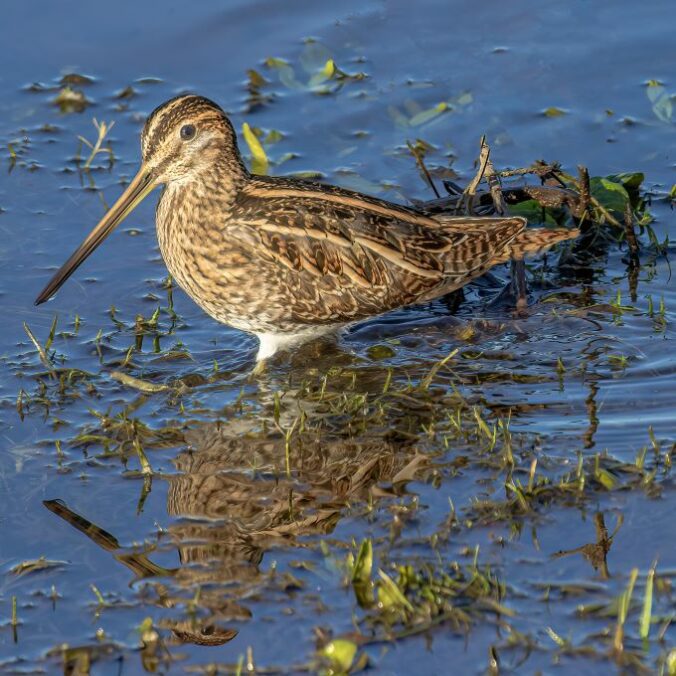
12th January 2022
Sunny
25 Common Gulls represented another good count this morning although, as ever, there was a steady turnover. Two Little Egrets, a Water Rail, adult Peregrine and four Common Snipe with the best of the rest.
Little Egret – Photograph by Ray Allan
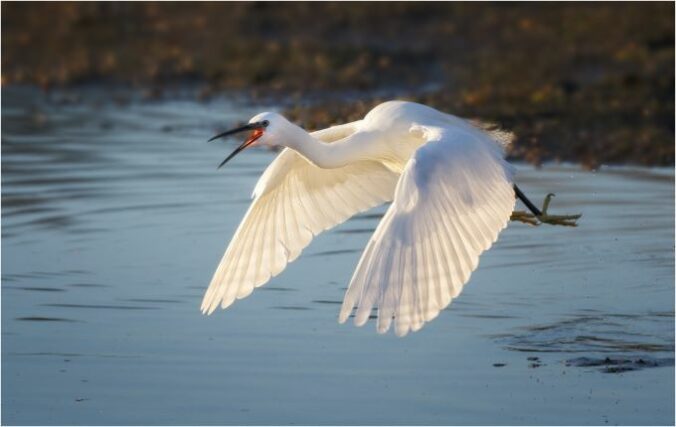
11th January 2022
Overnight rain clearing by 9am, mostly sunny and mild thereafter.
Less on view today with no sign of the Jack Snipe. A pair of Shelduck, two Little Egrets , a Little Grebe and three Goosanders were the best on offer. The car park feeders were busy with plenty of tits, including five Long-tailed and a few finches plus a Great Spotted Woodpecker.
10th January 2022
Damp and drizzly for most of the day.
The Jack Snipe again showed in the marsh (along with four Commons) but proved as elusive as yesterday. Both adult Greater Black-backed Gulls roosted on the Car Park Pool islands and 12 Goosanders were present there. A Kestrel hunted the rough ground along the Old Road for much of the day.
9th January 2022
Cold, frosty and sunny all day.
Care of the use of a thermal scope, Stuart Hares found a single Jack Snipe in the Marsh, well obscured and cryptically camouflaged. With some further observation with telescopes, at least one other and possibly two further birds were also seen in close proximity, hunkered down in the reeds to the right of Oak Hide and to the right of the gap in the reeds. There was also three Common Snipe as well and a Water Rail made a brief appearance.
The adult Peregrine was again present, undertaking occasional sorties over the pools and probably as a consequence to this and the attentions of the immature as well, Lapwing numbers have dropped to almost zero.
By Patrick Farm, at least one female Stonechat was present in the rough ground north of the farm together with about ten Redwings. Six House Sparrows were calling both around the buildings and around Patrick Bridge and on the buildings, four pairs of Starlings were already appearing territorial.
There were two adult Greater Black-backed Gulls on car park pool this this morning with the usual adult chasing off another one.
In addition to the Stonechat north of the Farm, the usual pair were present around the horse paddock area on the Old Road and three Ravens flew over there in the late morning.
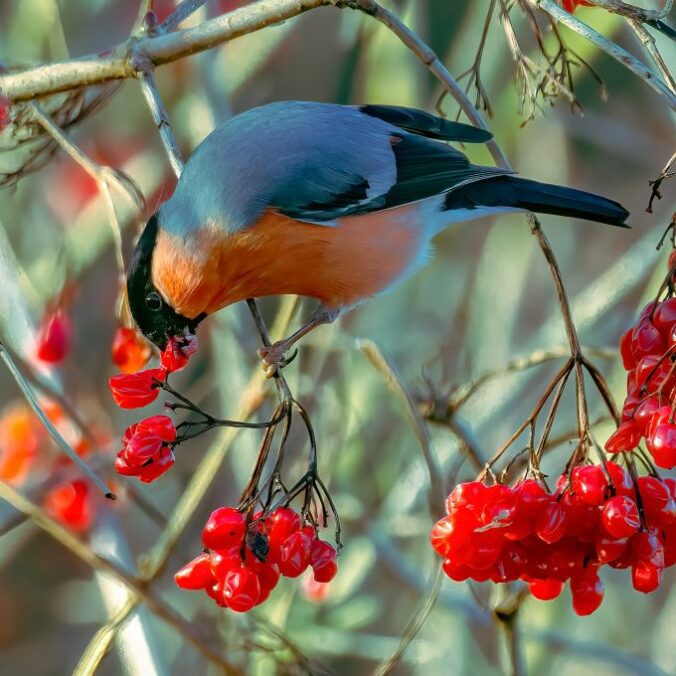
Two pairs of Bullfinches showed well, dispatching the Guelder Rose berries behind Oak hide, there were two Little Egrets, one on each pool and 26 Goosanders again came into roost in the late afternoon.
Last but not least three Whooper Swans flew over in the morning – there is no note of the finder so if anyone has any information on this, I would be grateful to receive it .
Bullfinch – Photograph by Stef Fraczek
8th January 2022
Wet virtually all day.
23 Goosanders were present at dawn but had left by 8am but as dusk fell, 26 returned comprising 11 males and 15 females. Also at dawn, six Common Snipe showed well in the Marsh from Oak Hide.
Wildfowl and other counts today were as follows: one Mute Swan, one Greylag, 150 Canadas, 412 Wigeon, 250 Teal, 28 Shoveler, 36 Gadwall, 68 Mallard, three drake Pochard, two Little Grebes, two Herons, 18 Cormorants, four Moorhen, 37 Coot, a Water Rail which ran across the Old Road near the Dragonfly Pond, a single Lapwing during the day (but nine roosted), 30 Black-headed Gulls, five Common Gulls, two Herring Gulls, three Lesser Black-back Gulls, the adult Greater Black-back Gull, two Ravens over Siden Hill Wood, an increase of Chaffinch numbers in the crop field to 60, 60 Redwing and five Fieldfares on the floodplain, 60 Goldfinches in the alders by the back gate, a Grey Wagtail on the floodplain a Kestrel over Railway Pool, at least five Bullfinches in the Guelder Rose bushes by Railway Hide and two Collared Dove by the Car Park feeders.
At dusk, at least 80 Rooks flew over, 40 going west towards Berkswell and the other 40 joining about 250 Jackdaws on the floodplain. A Tawny Owl hooted from Siden Hill Wood but there was no sign of any Starling roosts.
7th January 2022
Cold north westerly, sunshine with showers in the afternoon. The reedbed was partly frozen.
25 Redwing and two Fieldfare were present on the floodplain and there were a pair of Stonechats near the old Aeromodellers site. The Greater Black-back Gull roosted on Car Park Pool, there was a single Little Egret on Railway, the regular adult Peregrine was perched in the front of Siden Hill Wood and 20 Chaffinches and eight Reed Buntings along with three Jays and two Stock Doves fed on the grain in the crop field.
6th January 2022
N0 Records
5th January 2022
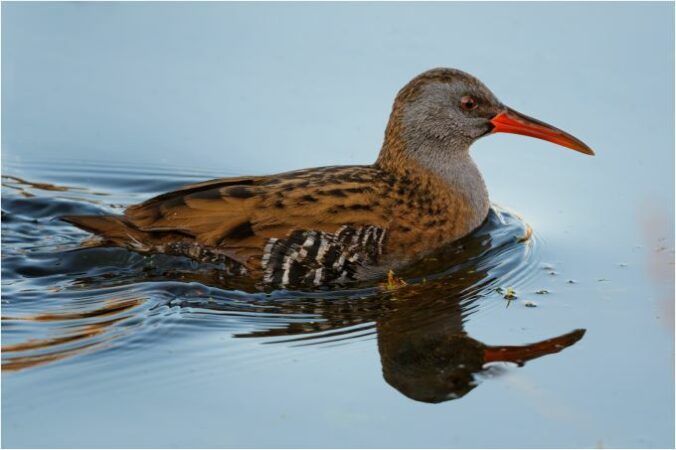
The now regular flock of thrushes on the floodplain again varied in numbers with at least 70 Redwings and 20 Fieldfare. There was a female Stonechat near Patrick Farm but no sign of the male there. There were also three Lesser Redpolls by the farm.
In the afternoon, a pair of Shelduck were present on Car Park Pool along with nine Goosanders and a Little Grebe. There were also 25 Chaffinches in the crop field.
Water Rail – Photograph by Ray Allen
4th January 2022
Cold and mostly overcast.
The only records making the log today were four pairs of Goosander on Car Park Pool and four Common Gulls.
3rd January 2022
Sunny spells with sharp showers, fresh south-westerly wind.
A drake Goosander was present this morning, with three pairs at dusk.
A Jack Snipe was flushed from the field by the phone mast and there were three Common Snipe in the Marsh. The adult Peregrine was again present in Siden Hill Wood.
21 Common Gulls and the adult Greater Black-backed Gull joined two Herring Gulls and over 200 Black-headed Gulls on Car Park Pool. Ten Siskins were present in the Back Gate Copse, a House Sparrow at Patrick Farm, a pair of Stonechats by the Aeromodellers field, 30 Redwings along the Old Road and 40 Fieldfare on the flood plain.
The Siskin flock increased to 40 later in the day and a Lesser Redpoll was in amongst them. There was also a Mistle Thrush there.
2nd January 2022
Heavy overnight rain, clearing quickly, brisk south-westerly wind.
The turnover of Black-headed Gulls that has been noticeable over the last few days brought in an adult Mediterranean Gull on to Car Park Pool. This was a Polish colour-ringed bird although full details are awaited. There were also two female Goosanders in the morning along with six Pochard and, after dark, a Tawny Owl flew down the Old Road from the car park gates towards Dragonfly Pond.
1st January 2022
Sunny spells, sharp showers, fresh southerly wind.
A flock of 15 Pied Wagtails were feeding in the field opposite the railway car park side of Siden Hill Wood and, in the wood, there were as usual Nuthatch, Treecreeper and Goldcrest. The new year wildfowl counts, courtesy of Graham Rowling and Dave Scanlan were as follows: three Mute Swans, 135 Canadas, 63 Greylags, 40 Shoveler, 100 Gadwall, 462 Wigeon, 59 Mallard, 250 Teal, three Goosander, two drake Pochard, 27 Tufted Ducks, 21 Cormorants, six Herons, three Little Grebes, five Moorhen, 45 Coot, 12 Lapwing, 140 Black-headed Gulls, 24 Common Gulls, six Herring Gulls, six Lesser Black-backed Gulls, the adult Peregrine, a Cetti’s Warbler and a Water Rail in the North Causeway Bay, a pair of Stonechats by the Oak in the Aeromodellers field and six Yellowhammers in the rough field north of Patrick Farm.
A Kestrel seen on a number of occasions and the adult Greater Black-backed Gull put in a brief appearance on Car Park Pool.